
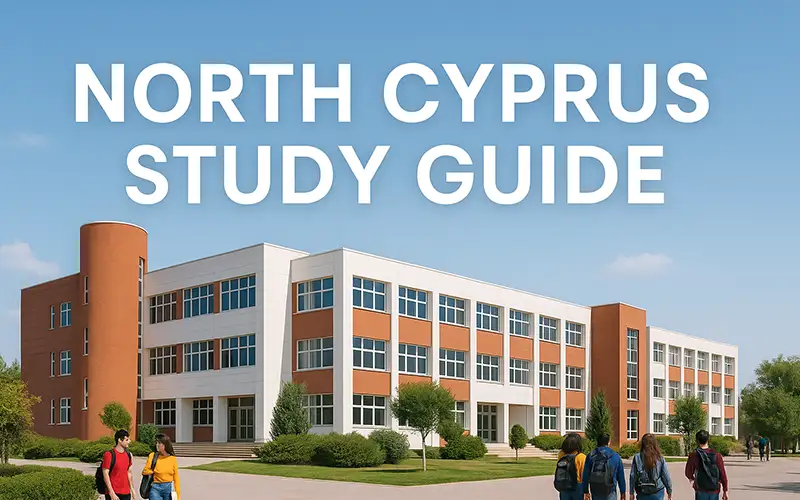
The North Cyprus Study Guide has become an essential resource for international students seeking high-quality education in a culturally diverse and affordable environment. North Cyprus is home to more than twenty accredited universities, thousands of international students from over 100 nationalities, and a rapidly expanding academic reputation. This North Cyprus Study Guide aims to provide a clear understanding of the higher education system, tuition fees, cost of living, lifestyle, accommodation options, and what students can expect when preparing to study in this unique Mediterranean destination. Whether you are planning undergraduate, postgraduate, or vocational studies, this North Cyprus Study Guide will help you make an informed decision.
Why North Cyprus Attracts International Students
A key section of the North Cyprus Study Guide is understanding why the region has become such a popular educational hub. First, the universities in North Cyprus offer internationally recognized degrees in partnership with institutions in Turkey, the UK, and Europe. Many programs follow Western academic structures, providing students with competitive career pathways and opportunities for global mobility.
Second, the affordability factor stands out. Compared to tuition fees in the UK, Europe, or the US, North Cyprus provides high-quality education at a fraction of the cost. Students can pursue degrees in engineering, medicine, business, architecture, law, psychology, and many other fields with access to modern facilities and experienced faculty members. Third, the island’s safe environment, mild climate, and multicultural society add to its appeal, making it a welcoming place for young learners. These advantages form the foundation of the North Cyprus Study Guide.
Overview of Major Universities in North Cyprus
A complete North Cyprus Study Guide must include an overview of the leading universities that attract international students. Some of the most well-known institutions include:
Eastern Mediterranean University (EMU)
Located in Famagusta, EMU is one of the largest and most established universities in North Cyprus. It offers a wide range of undergraduate and postgraduate programs accredited globally. EMU is known for its engineering, business, architecture, and health sciences faculties. The campus includes modern labs, dormitories, sports facilities, and extensive research centers.
Near East University (NEU)
Near East University, situated in Nicosia, is another key institution highlighted in the North Cyprus Study Guide. NEU is particularly famous for its state-of-the-art medical, dental, and veterinary schools. It also has a large teaching hospital, one of the most advanced in the region. The university’s technological infrastructure and extensive academic library contribute to its academic prestige.
Cyprus International University (CIU)
Located outside Nicosia, CIU has grown rapidly over the past decade. The university is known for sustainability initiatives and research projects across engineering, pharmacy, and environmental sciences. CIU frequently appears in the North Cyprus Study Guide because it attracts students from over 110 countries, creating a highly international environment.
Girne American University (GAU)
In Kyrenia, GAU offers programs in liberal arts, business, aviation, marine studies, and arts and design. The campus has modern architecture and a vibrant student atmosphere due to its seaside location. Many North Cyprus Study Guide editions reference GAU for its global campuses and exchange programs.
Final International University (FIU)
FIU, also in Kyrenia, is a newer institution but has quickly gained attention for programs in tourism, law, business, and health sciences. Its partnerships with international universities make it an attractive choice for students seeking mobility.
These universities collectively shape the academic landscape explored throughout the North Cyprus Study Guide.

Tuition Fees and Scholarships
One of the strongest advantages highlighted in the North Cyprus Study Guide is affordability. Tuition fees vary depending on the university and program, but most institutions offer generous scholarships to international students.
General tuition ranges include:
-
Business, IT, and Social Sciences: 2,000 – 4,000 USD per year after scholarship
-
Engineering and Architecture: 3,000 – 5,000 USD per year
-
Medicine and Dentistry: 10,000 – 14,000 USD per year
-
Pharmacy and Health Sciences: 4,000 – 7,000 USD per year
Many universities automatically grant 50% scholarships to international applicants. Some students even receive additional merit-based or country-specific financial aid. The North Cyprus Study Guide emphasizes that medical and dental programs tend to be more expensive due to lab and clinical training requirements.
Cost of Living in North Cyprus
A realistic financial overview is essential for the North Cyprus Study Guide. The cost of living is lower than in most European countries, making it attractive for students on a budget.
Estimated monthly expenses:
-
Accommodation: 150 – 350 USD (shared apartment or dorm)
-
Food: 150 – 250 USD
-
Transportation: 20 – 40 USD
-
Utilities & Internet: 40 – 60 USD
-
Personal expenses: 50 – 150 USD
Overall, a student can live comfortably on 450 – 800 USD per month, depending on lifestyle. The North Cyprus Study Guide makes it clear that students who choose shared housing can reduce their costs significantly.
Student Accommodation Options
Housing is a major part of the North Cyprus Study Guide. Students can choose between university dormitories or private apartments. Dormitories offer convenience, security, and proximity to campus, while private apartments provide more independence and privacy.
University dorms provide furnished rooms, study areas, cafeterias, laundry facilities, and security services. Private apartments often come furnished and are available near campuses or city centers. Accommodation quality varies, so the North Cyprus Study Guide recommends early reservation, especially for popular universities like EMU and NEU.
Student Life, Culture, and Social Environment
No North Cyprus Study Guide would be complete without describing lifestyle and cultural experiences. North Cyprus is known for its warm hospitality, Mediterranean cuisine, and vibrant social life. Students enjoy beaches, mountain trails, historical sites, cafés, and shopping areas. The island’s nightlife is also active, especially in Kyrenia and Nicosia.
Campus life is enriched by student clubs, sports teams, cultural festivals, and international events. The diversity of the student population means learners can socialize with peers from Europe, Asia, Africa, and the Middle East. This multicultural atmosphere is one reason why international students praise the lifestyle described in the North Cyprus Study Guide.
Transportation and Mobility
Transportation is convenient and affordable, an important point in the North Cyprus Study Guide. Public buses operate between major cities, and minibuses (dolmuş) cover shorter routes. Taxis are available but more costly than public transport. Many students prefer bicycles or scooters, especially in flatter cities like Famagusta.
For international travel, students use Ercan Airport (via Turkey) or airports in Southern Cyprus (Larnaca and Paphos). The portability of movement enhances the convenience discussed throughout the North Cyprus Study Guide.
Safety, Healthcare, and Student Support
Safety is a major concern for international students, and the North Cyprus Study Guide emphasizes that the island is considered one of the safest regions in the Mediterranean. Crime rates are low, and universities provide campus security services.
Healthcare is accessible, with modern hospitals and clinics available in all major cities. Students typically receive basic medical insurance through their university, covering emergency care and essential treatments. Counseling services, academic advisors, and international student offices further enhance the support system highlighted in the North Cyprus Study Guide.

Tips for Students Planning to Study in North Cyprus
The North Cyprus Study Guide provides key recommendations for future students:
-
Research universities and programs carefully.
-
Apply early to benefit from scholarships and housing options.
-
Prepare essential documents such as passport, photos, and transcripts.
-
Familiarize yourself with local customs and basic Turkish phrases.
-
Plan a realistic monthly budget.
Conclusion
The North Cyprus Study Guide offers students comprehensive insights into universities, tuition fees, accommodation options, and lifestyle. With international accreditation, affordability, and a welcoming environment, North Cyprus has become a major educational destination. For students seeking expert guidance, trusted advisors such as those at Luxury Life can help navigate academic and living arrangements smoothly.